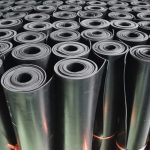
Rubber sheets are a versatile and widely used material across various industries due to their excellent durability, flexibility, and versatility. These sheets are made from different types of rubber compounds and come in various thicknesses, sizes, and formulations. This article explores the features, benefits, and applications of rubber sheets.
What are Rubber Sheets?
Rubber sheets are flat, flexible sheets made from natural or synthetic rubber compounds. These sheets are primarily used for sealing, cushioning, insulation, and protection in a wide range of applications. Rubber sheets are available in a variety of materials such as Neoprene, EPDM, Silicone, Nitrile, and Viton, each offering different properties to suit specific applications.
Key Features of Rubber Sheets
- Flexibility and Elasticity
- Rubber sheets are highly flexible and can be easily bent, compressed, or stretched without losing their original shape. This makes them suitable for a wide range of applications where flexibility is essential, such as seals, gaskets, and cushions.
- Durability
- Rubber sheets are known for their long-lasting durability. They can withstand extreme weather conditions, abrasion, and wear, ensuring reliable performance over an extended period.
- Temperature Resistance
- Depending on the type of rubber used, rubber sheets can tolerate a wide range of temperatures, from sub-zero to high heat. For example, Silicone rubber sheets can handle temperatures from -60°C to 200°C, while EPDM is effective in temperatures from -50°C to 150°C.
- Chemical Resistance
- Certain rubber sheets, such as Nitrile or Viton, are resistant to oils, fuels, and chemicals, making them ideal for industrial applications where exposure to harsh substances is common.
- Water Resistance
- Rubber sheets offer excellent resistance to water, which is why they are commonly used in sealing and waterproofing applications. Their ability to form watertight seals makes them ideal for use in plumbing, construction, and automotive industries.
- Electrical Insulation
- Some types of rubber sheets, especially those made from silicone and EPDM, can provide electrical insulation, making them useful for electrical and electronics applications.
Types of Rubber Sheets
- Neoprene Rubber Sheets
- Neoprene is one of the most commonly used rubber materials. It offers resistance to weather, ozone, and moderate chemicals. It is also flexible and offers good heat resistance, making it ideal for applications such as seals, gaskets, and protective covers.
- EPDM Rubber Sheets
- Ethylene Propylene Diene Monomer (EPDM) rubber is known for its excellent weathering resistance, especially to UV rays, ozone, and oxidation. EPDM rubber sheets are often used in roofing, automotive, and outdoor applications due to their ability to withstand extreme weather conditions.
- Nitrile Rubber Sheets
- Nitrile rubber is highly resistant to oils, fuels, and solvents, making it an ideal choice for applications in the automotive and petroleum industries. It is also used for seals and gaskets in environments where exposure to oils is common.
- Silicone Rubber Sheets
- Silicone rubber sheets offer superior resistance to heat and cold, making them suitable for high and low-temperature applications. They are often used in food processing, medical, and automotive industries for applications like seals, gaskets, and insulation.
- Viton Rubber Sheets
- Viton is a high-performance synthetic rubber that is resistant to extreme temperatures, oils, fuels, and aggressive chemicals. It is often used in aerospace, automotive, and chemical processing industries for seals, gaskets, and O-rings.
Applications of Rubber Sheets
- Sealing and Gaskets
- One of the most common applications for rubber sheets is in the creation of seals and gaskets. These rubber components are used to prevent the leakage of gases, liquids, or other substances in machinery, piping systems, and automotive components.
- Cushioning and Vibration Dampening
- Rubber sheets are often used in industrial and automotive applications to provide cushioning and reduce vibrations. They are installed in machinery, equipment, and vehicles to absorb shocks, prevent damage, and reduce noise.
- Waterproofing and Insulation
- Rubber sheets are ideal for waterproofing and insulation applications. They are used in roofing systems, pipes, and electrical equipment to prevent water damage and provide electrical insulation.
- Industrial Mats and Flooring
- Rubber sheets are also used to make industrial mats and flooring. These mats provide slip resistance and protect surfaces from damage caused by heavy machinery or foot traffic. Rubber flooring is used in factories, warehouses, and kitchens for safety and durability.
- Automotive and Aerospace Components
- In the automotive and aerospace industries, rubber sheets are used to manufacture parts such as seals, gaskets, weatherstripping, and vibration isolators. They help enhance performance, safety, and durability in these industries.
- Food and Pharmaceutical Applications
- Food-grade rubber sheets, such as those made from silicone, are used in food processing, packaging, and pharmaceutical applications. These sheets are designed to meet strict hygiene and safety standards and are non-toxic and resistant to high temperatures.
Benefits of Rubber Sheets
- Customization
- Rubber sheets can be cut, shaped, or molded into custom sizes and configurations to meet specific application requirements. This makes them a versatile material for industries with unique or complex needs.
- Cost-Effective
- Rubber sheets offer a cost-effective solution for sealing, insulation, and cushioning needs. Compared to metal or other materials, rubber provides a more affordable and flexible alternative.
- Easy Maintenance
- Rubber sheets are relatively low-maintenance. They are easy to clean, resistant to corrosion, and can last for many years with minimal upkeep.
- Environmentally Friendly
- Many types of rubber sheets are made from recycled rubber, which reduces the environmental impact. Additionally, rubber is often a more sustainable option than alternatives like plastic or metal.
Conclusion
Rubber sheets are a critical material used across numerous industries for their flexibility, durability, and ability to withstand various environmental challenges. Whether for sealing, vibration dampening, insulation, or waterproofing, rubber sheets are indispensable in modern industrial applications. Their wide range of formulations and customizability make them an ideal solution for many complex and demanding needs.