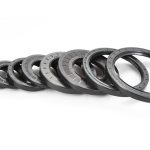
An oil seal, also known as a shaft seal or radial lip seal, is a small but crucial component in machinery. It prevents the leakage of fluids like oil or grease and keeps contaminants such as dust, dirt, and water from entering the machine’s internal parts. Oil seals are commonly found in cars, industrial equipment, and household appliances. They play a vital role in ensuring smooth operation and prolonging the life of machines.
How Does an Oil Seal Work?
An oil seal typically consists of three main parts:
- The Outer Casing – This part provides stability and keeps the seal securely in place.
- The Inner Lip – Made from flexible materials like rubber, it prevents fluid leakage.
- The Spring – It ensures a snug fit around the rotating shaft, maximizing effectiveness.
As the shaft rotates, the oil seal maintains a tight barrier. This keeps the fluid inside the machinery while blocking debris from entering. As a result, machines remain efficient and last longer.
Common Applications of Oil Seals
Oil seals are used in various industries, including:
- Automobiles: Preventing oil leaks in engines and transmissions.
- Industrial Machines: Protecting bearings and gears from contaminants.
- Agricultural Equipment: Sealing lubricants in tractors and harvesters.
Why Should You Care?
Although oil seals are small and inexpensive, a damaged or worn-out seal can cause serious problems. For example, fluid leaks can occur, or machinery may experience increased wear. In extreme cases, it could even lead to system failure. Replacing a faulty oil seal quickly can save you time, money, and stress.